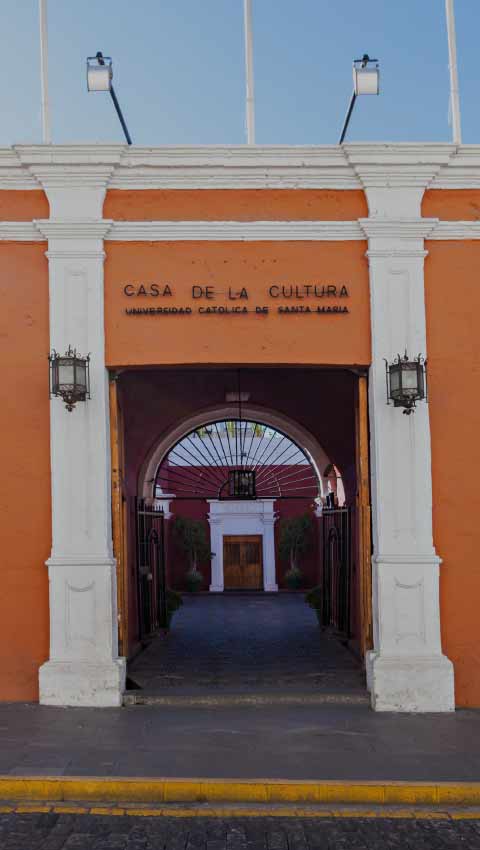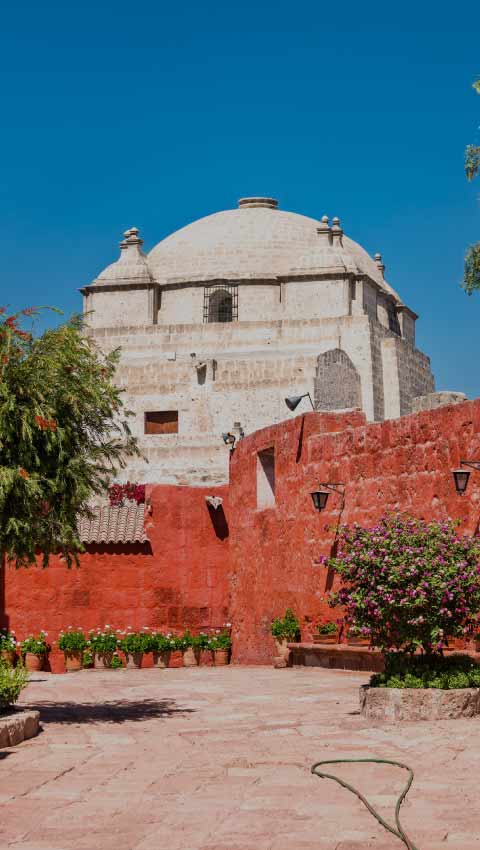

Andean Sanctuaries Museum, also known as MUSA by its initials in Spanish, is located in the city of Arequipa and is renowned for housing the Lady of Ampato or Juanita, one of the most important and well-preserved mummies in Peruvian history. It opened its doors to the public in 1997, and the building that houses it is known as the Casa del Fundador, an ancient colonial construction from the 18th century.
The main objective of MUSA is to exhibit and preserve the archaeological heritage of the Arequipa region. It houses the entire collection of the Inka Capac Cocha ritual: textiles, ceramic pieces used in the ceremony, offerings to the gods made of precious metals, wooden keros, among others.
The site offers 5 permanent exhibition rooms displaying objects used in Inka sacrifices, found in the main snow-capped mountains and volcanoes of Peru. There are also temporary exhibitions of visual art, plastic arts, among others.
The Capac Cocha Ritual
Capac Cocha in Quechua means "royal obligation." It was a ceremony carried out in extreme situations such as droughts, natural disasters, times of famine, the death of the Inka ruler, or important celebrations. It had deep religious, social, and cultural significance.
This ceremony took place at the foot of the most important snow-capped mountains. The journey to the location was quite long, traversing various regions of the empire and could last for several months.
Juanita Mummy
It is the main attraction of MUSA. Discovered in 1995 during an expedition on the Ampato volcano, at an altitude of over 6000 meters, by Peruvian archaeologist Johan Reinhard. Due to the extreme freezing conditions in which she was found at the summit of the volcano, the body of this girl was in excellent preservation.
The good condition of her bones and internal organs confirmed that the girl died at approximately 13 years old, measured 1.58 centimeters in height, and was ritually sacrificed as an offering to the gods over 500 years ago. Her death would have occurred around 1450, during the reign of Inka Pachacutec.
Juanita is exhibited from May to December. Between January and April, Juanita undergoes a conservation stage, so the museum exhibits another Inka girl named Sarita, found on the Sara Sara volcano in the Ayacucho region.
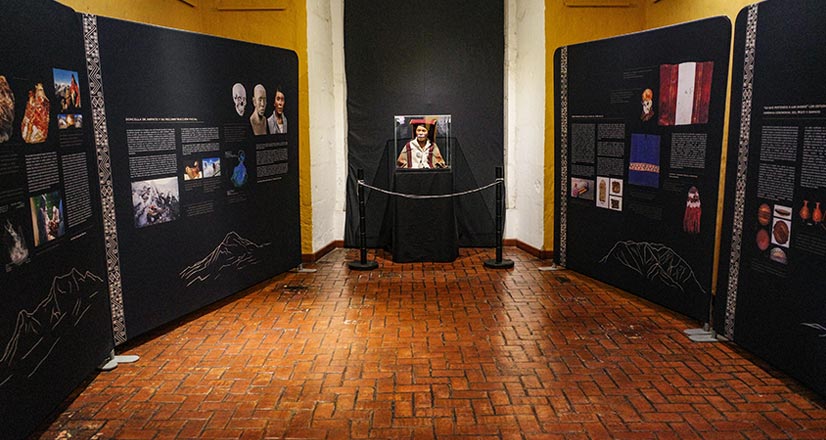
Also known as MUSA, it houses the Lady of Ampato or Juanita, one of the most important and best-preserved
mummies in Peruvian history. Credit: Shutterstock
This museum also permanently exhibits the remains of 5 other mummies found on the Misti volcano in 1998.
How to get there?
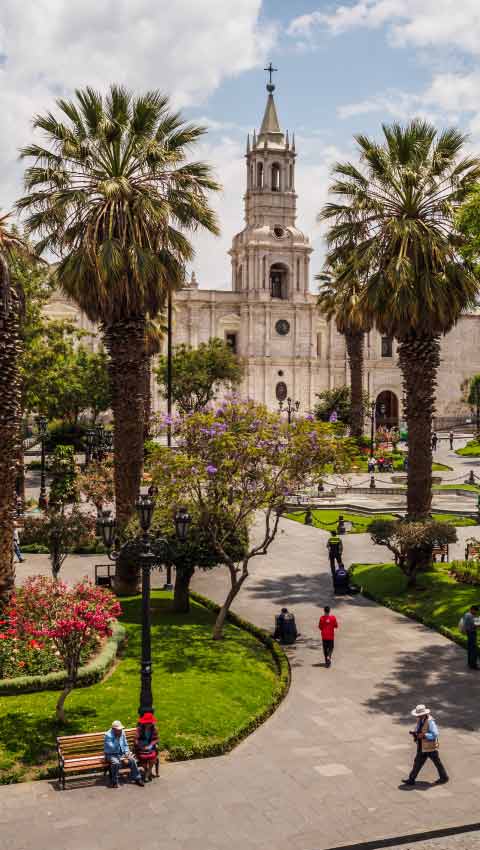
The museum is located at calle La Merced 110, just 200 meters away from the Plaza de Armas in Arequipa. The best way to get there is by walking from any part of the historic center of Arequipa. Check prices and opening hours here.
If you are interested in history and archaeology, this museum is undoubtedly a fascinating stop to better understand the ancient Andean civilization.