
"For the variety of its charms and the power of its spell, I do not know another place in the world that compares to it," is what Hiram Bingham, the American explorer who rediscovered the citadel of Machupicchu in 1911, said. And now, this Wonder of the Modern World is one of the most visited destinations in America.
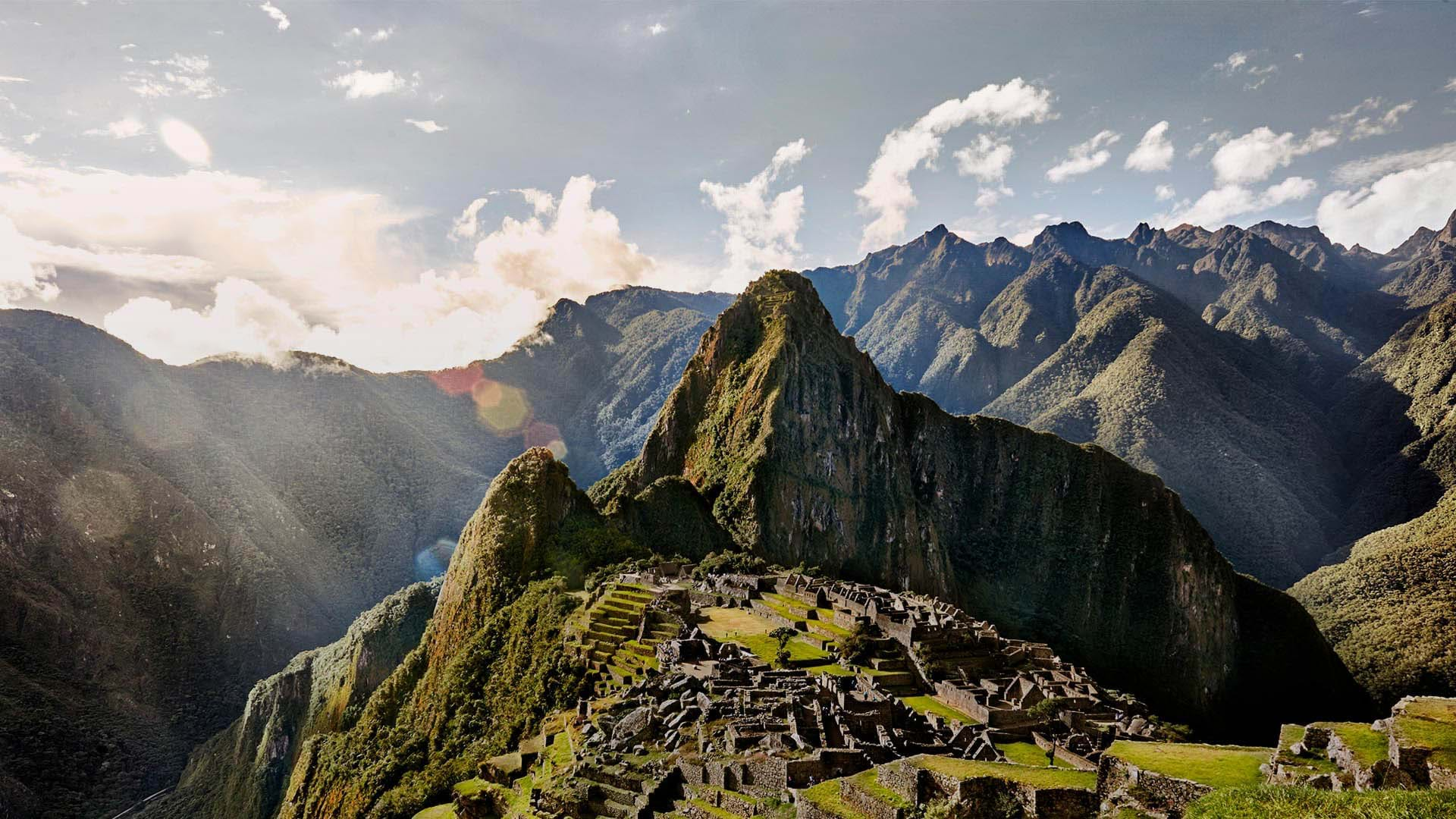
Located on top of a mountain in the middle of a tropical forest, it is considered the tourist attraction par excellence in Peru. The historic sanctuary is a place that captivates tourists not only for its dazzling architectural beauty, but also for its important historical-cultural legacy, which has led it to be recognized and admired throughout the world.
Declared Cultural and Natural Heritage of Humanity in 1983 by UNESCO, it is probably the most amazing architectural construction of the Inca Empire. This citadel is made up of temples, palaces, terraces, monuments, complexes and walls; in addition to water channels, built with large blocks of stone, without any amalgam, proof of the great wisdom of the Inca civilization.
Surrounded by forests in the province of Urubamba (Cusco), Machu Picchu annually receives approximately 1 and a half million visits. It has an area of more than 30 thousand hectares, where it is possible to find a varied flora and fauna, as well as wooded areas, steep mountains and snow-capped peaks.
How to get to Machupicchu?
Route 1
Lima-Cusco
1 h 15 min approximately
Cusco-Ollantaytambo
1 h 30 min approximately
Ollantaytambo-Machupicchu
2 h approximately
How to get to Machupicchu?
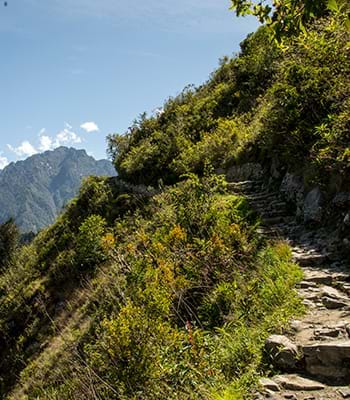
You can trek the fabulous Inca Trail to Machupicchu.
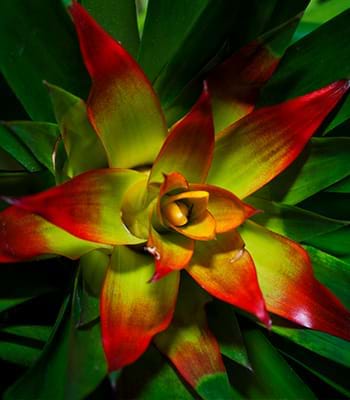
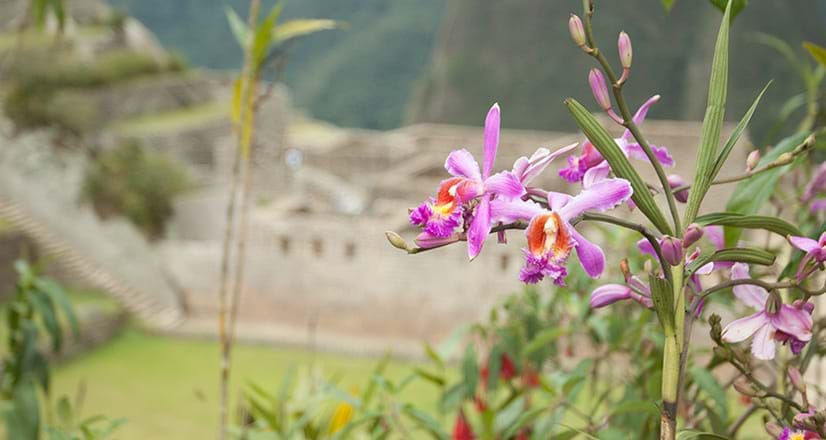
Identify around 30 species of orchids.
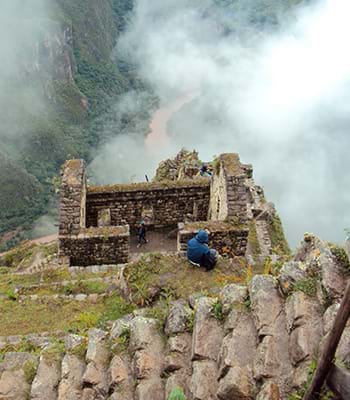
Climb Huayna Picchu and take a photograph from the top of the world.
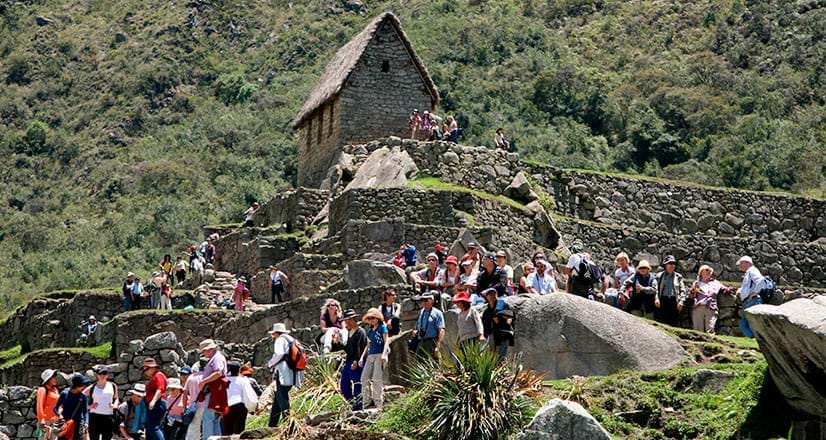
General information
Altitude
2 445 meters above sea level
Climate
Min. 1 ℃/ Max. 20 ℃
Times
6:00-17:30
*Referential times
Price
Check here for prices and find the information you need to plan your next visit to Machupicchu.
Essentials
Camera, sunscreen, warm clothing, trekking gear (optional)
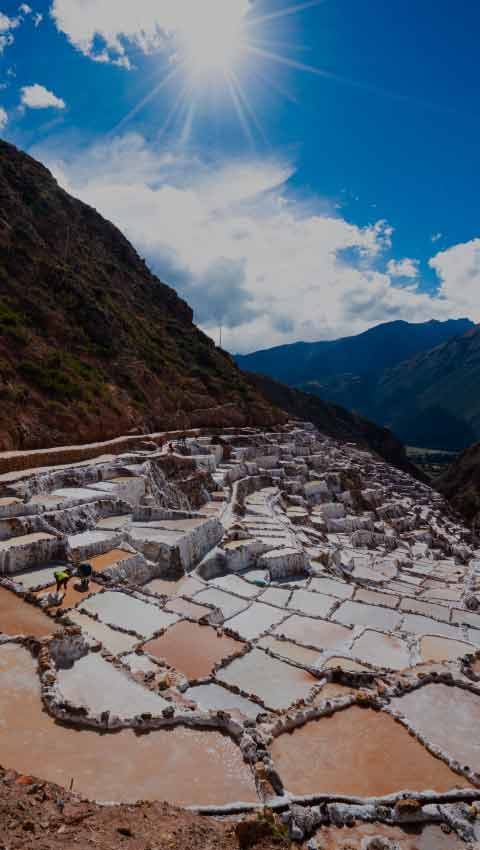
History of Machupicchu
Located in the heart of the Peruvian Andes, the sacred Inca citadel built around 1450 and discovered in 1911, still hides enigmas and mysteries about its real purpose, which continue to be hidden to this day and which arouse the interest of both visitors and archaeologists from all over the world. the world.
Due to its strategic location at the top of a high mountain, there are various theories about what it could mean for the Incas. Some argue that it was built as a great mausoleum for the Inca Pachacútec, while others claim that it was an important administrative and agricultural center whose cultivation areas served for the livelihood of its inhabitants. However, it is also considered that it was used as a necessary link between the Andes and the Peruvian Amazon or as a resting residence for the Inca governor.
The truth is that Machupicchu is one of the greatest symbols behind what was the impressive architecture and engineering of the Inca Empire. Although its origin is still the subject of study, the value and significance it represented in its time, as well as its imposing design, have earned it to be considered one of the seven wonders of the modern world.

Places of Interest in Machupicchu
During the tour of the sanctuary, one witnesses the most fascinating and incredible attractions. Each one with its own history and meaning, but all with great architectural beauty.
In total, there are around 196 tourist spots within the citadel among archaeological complexes, squares, temples, water fountains, monuments and residences; all intertwined with each other and with the natural environment.
When touring Machupicchu, you can see two well-marked sectors divided by a wall of approximately 400 meters long: one oriented to agricultural purposes and the other more urban. The agricultural area is characterized by the presence of terraces or platforms that were used for the cultivation of various foods. Very close to this area, there are some small houses that could have been the dwelling of farmers.
On the other hand, in the urban area the Royal Residence is located, which was the finest, most extensive and best distributed house in the place; the Plaza Sagrada, the main ceremonial site of the city, the Intihuatana Pyramid, where the great solar clock is located; the Grupo de las Tres Portadas, a group of buildings made up of three large portals and the Grupo del Cóndor, which includes temples for ceremonial use.
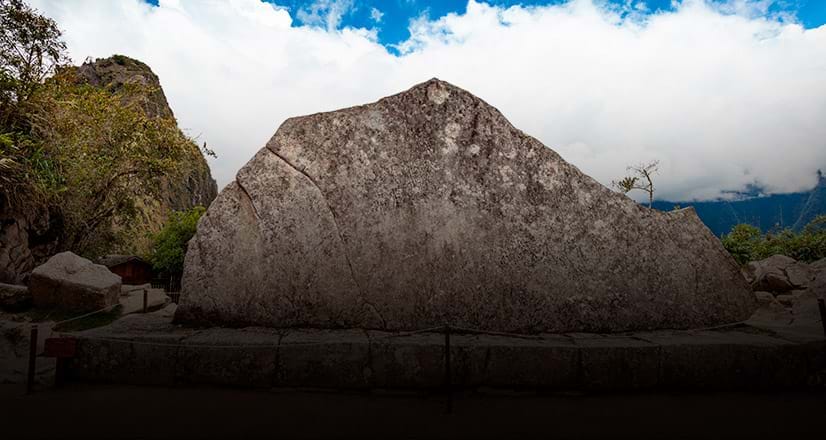
The Sacred Rock
Huge monolith whose dimensions border on three meters in height on a base of seven and is one of the most mystical symbols found in this place. It is believed that it could have been oriented to the study of the stars.
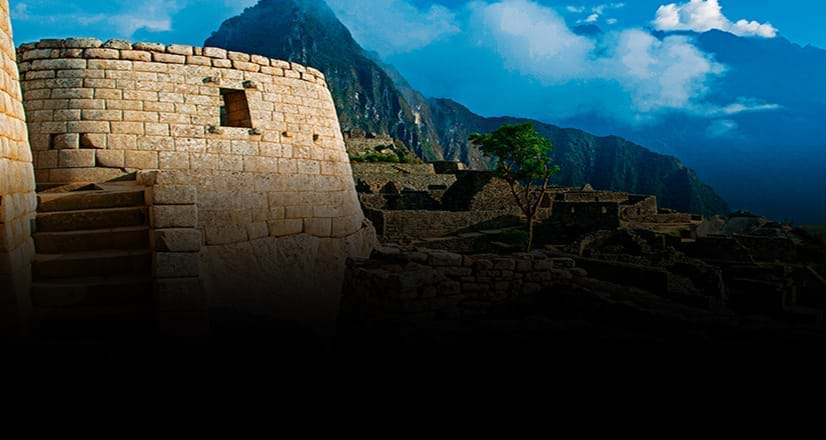
The Temple of the Sun
Sacred enclosure that served for the adoration and worship of the Sun god. Only the priests and the elite of the Empire could enter this temple, who through offerings paid homage to the greater star.
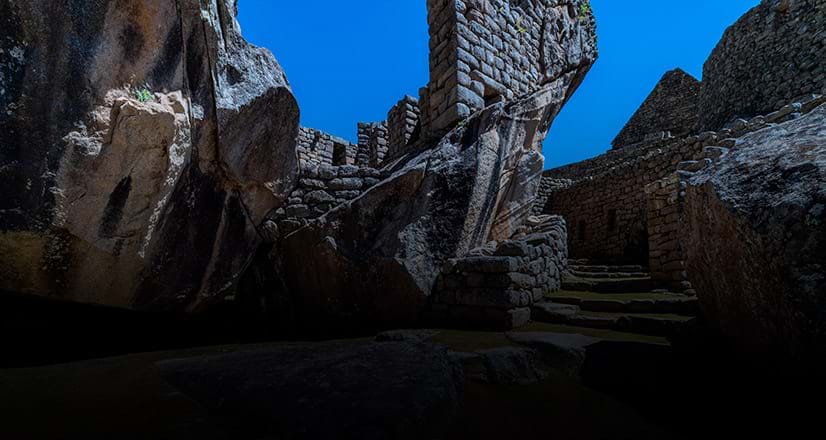
The Temple of Condor
A place that houses a large rock in the shape of this Andean bird: a symbol of power and fertility, and which is part of the Inca trilogy along with the puma and the snake. It is believed that the temple served for the celebration and worship of rituals.
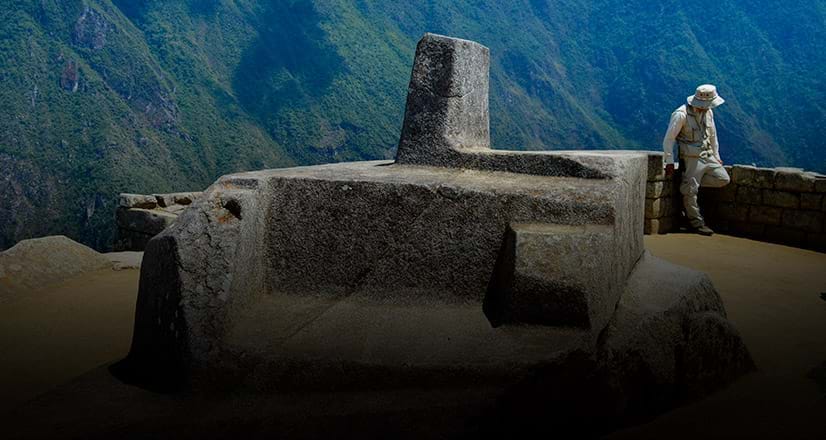
Intihuatana
The best-known monolithic sculpture in Machu Picchu and the most impressive due to its purpose. It is a large solar clock that, through its shadows, was used as an astronomical calendar to measure time and define the beginning and end of the seasons of the year.
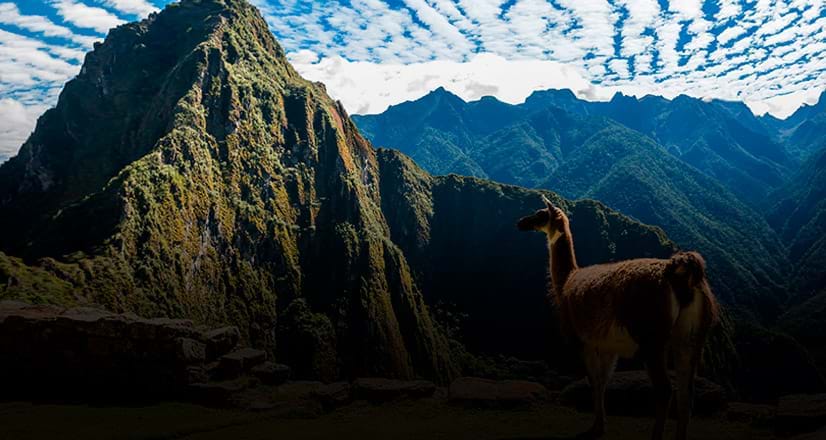
Huayna Picchu
Due to its great height of 2720 meters, this mountain served as a surveillance center for Machu Picchu. From the top, the Incas had a panoramic view of the entire valley and could warn of any eventual attack. The Old Mountain, as it is known, is made up of rocks on which the Incas carved stairs that make up the long path to the summit.
Flora and fauna
Not everything is history and culture in this sanctuary. Machupicchu is home to a varied and exotic biodiversity. This thanks to its location: between the Andes and the Peruvian Amazon, which allows various species to develop. In addition, it has the Urubamba River that crosses it from east to west.
This natural area is home to species such as the Andean fox, puma, vizcacha, spectacled bear, white-tailed deer, among others. In addition to more than 420 species of birds, in which the cock of the rocks and the Andean condor stand out. Additionally, in Machupicchu there are around 377 species of butterflies, 15 of amphibians and 25 of reptiles, of which 9 are types of lizards and 16 snakes.
This wonder of the modern world has more than 30 thousand hectares in which there are wooded areas, steep mountains, peaks and snow-capped mountains. As well as tree species such as alder, white cedar, husk, yanay and laurel; in addition to unca, queñua and t’asta forests.
A world of orchids
These flowers deserve a separate mention, since 370 types have been registered in Machupicchu, which is equivalent to 20% of the species identified in Peru. Orchids are found on the routes and paths that cross the sanctuary; as well as in a natural reserve near the Vilcanota river. Here is the largest collection of native orchids in the world, according to the American Orchid Society.