

Written by:
peru.travel
Wednesday, December 6, 2023
In a historic milestone for Peru's culinary heritage and tradition, the Cebiche culture has earned a place on UNESCO's prestigious Representative List of the Intangible Cultural Heritage of Humanity. This recognition highlights the techniques and knowledge of artisanal fishermen, farmers, cooks, and chefs who have kept alive the Peruvian culinary tradition, grounded in the rich diversity of ingredients and practices.
The inclusion of these techniques and knowledge on this list holds greater significance than a culinary achievement; it is a unique opportunity to underscore the importance of Peruvian cuisine as something that unites its people in a shared sentiment. Cebiche, with its regional variations and deep roots in culture, becomes a bond that ties society together beyond its idiosyncrasies.
@visitperu Cebiche culture is now an Intangible Cultural Heritage of Humanity! 🎉🇵🇪🌏❤️ The techniques and knowledge of traditional fishermen, farmers and cooks about Cebiche are already included in UNESCO's Representative List of Intangible Cultural Heritage of Humanity. This is one of the most traditional dishes in Peru, with countless recipes throughout its territory, and it is also an opportunity to highlight the value of Peruvian gastronomy as a social space and cultural recognition. The knowledge on which this culinary heritage is built is now part of the world's heritage. #peru #visitperu #cebiche #ceviche #cevicheparalahumanidad ♬ sonido original - Perú
What Lies Behind a Plate of Cebiche?
● Going beyond its coastal origins, Cebiche is a culinary treasure prepared across all departments of Peru, adapting to local ingredients and the unique richness of each area. It reflects the emotional connection Peruvians share with this dish, considered both a daily delicacy and a festive symbol of celebration.
● The essential role of various cultural collectives deserves recognition. From the families of over 88 000 artisanal coastal fishermen preserving ancestral knowledge of fishing and cebiche preparation to artisanal fishermen and aquaculturists in the Andean and Amazonian regions. All these groups serve as custodians of this priceless culinary tradition.
● Agricultural producers committed to locally cultivating lemon, chili, onion, tubers, and corn constitute another integral community within the Ceviche chain. Their efforts play a crucial role in sustaining the fundamental resources that make traditional Peruvian cuisine so diverse.
● Cooks in cultural spaces, from traditional eateries to cebicherias, which refers to a seafood restaurants, and local establishments, are direct bearers of the practices and meanings associated with the preparation and consumption of Cebiche. Their expertise and understanding transmit the very essence of this culinary tradition, now attaining international acclaim.
History of Cebiche
The history dates back over 2000 years, when the Tallán civilization in the Piura region incorporated it into their diet. Throughout the centuries, different cultures, such as the Moche during the Inca Empire, left their mark on the evolution of this dish. During the Spanish conquest, cebiche continued to transform, incorporating new elements like salt and chili.
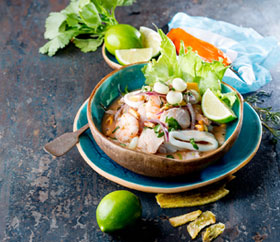
Today, this representative dish of Peruvian cuisine is made with fresh fish, limo chili, rocoto chili, lime, onion, coriander, pepper, fish broth, and salt. It is garnished and accompanied by sweet potato, boiled and shelled corn, seaweed (yuyo) or lettuce, and serrano canchita.
The inscription of Cebiche Culture on UNESCO's Representative List of the Intangible Cultural Heritage of Humanity turns this Peruvian heritage and tradition into a legacy for the world, a testament to its diversity, history, and exquisite flavor.
Follow us on social media
Facebook | Instagram | Twitter | TikTok | YouTube